AI Concrete Damage Detection

Let AI sort the photos, so your experts can focus on decisions

DIMCOST uses AI for concrete damage detection: cracks, spalling and efflorescence are detected, measured and classified automatically in large photo sets. Results are linked to lab data and compiled into standardized reports, with up to 70% less reporting time and full engineering control.

Sound familiar?

  • Thousands of photos

    Every inspection produces large photo sets that someone has to go through by hand.

  • Subjective assessments

    Different inspectors classify the same damage differently.

  • Slow reporting

    Compiling photos, defect maps and lab results into a report takes days.

  • Experts on routine work

    Engineers spend their time sorting photos instead of evaluating solutions.

How AI concrete damage detection works

With AI concrete damage detection, the software handles the repetitive work and your engineers keep control of the conclusions. In four steps.

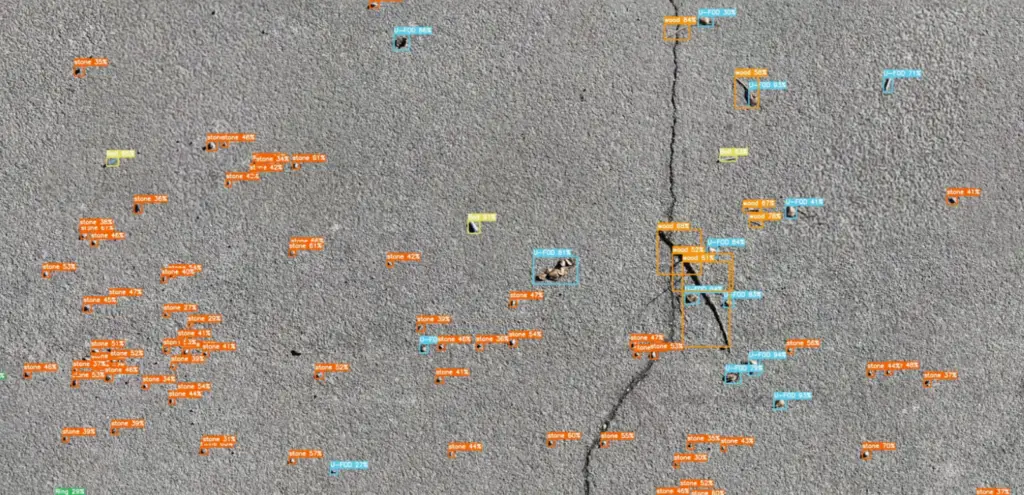
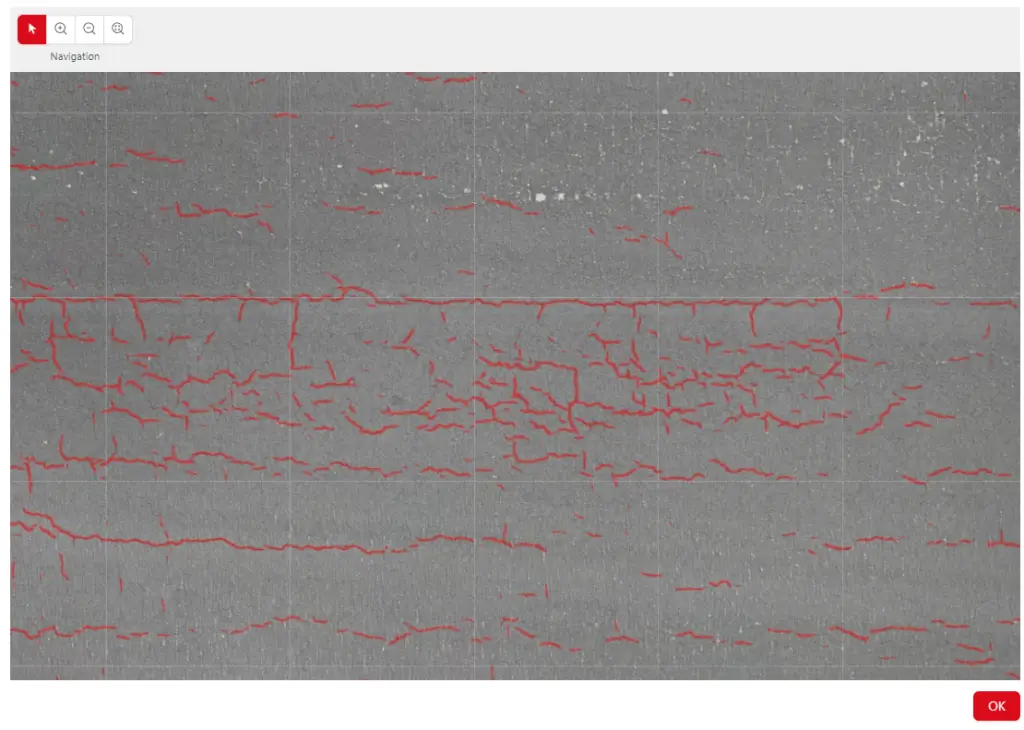
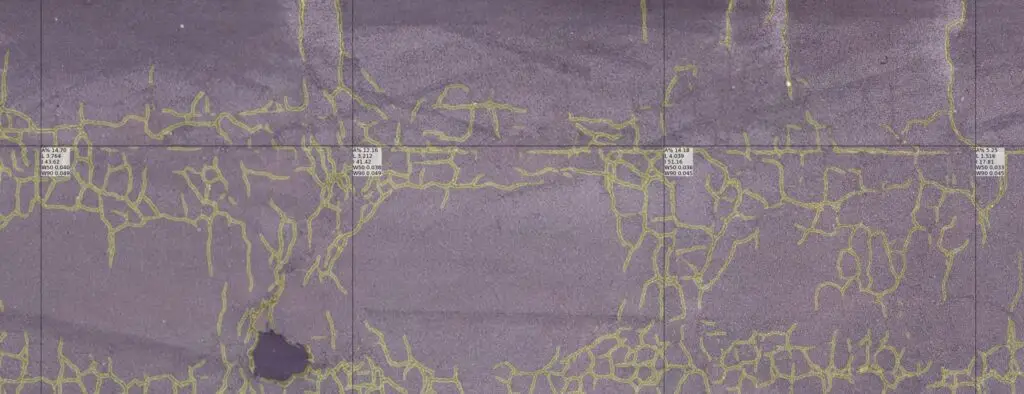
AI concrete damage detection: annotated cracks in DIMCOST

Automated defect detection

Step 1 · Detect

Identify, measure and classify surface cracks, spalling and efflorescence in high-resolution photo sets. Photos can come from your own inspections or from drone captures by Medexon.

  • Consistent classification: the same criteria are applied to every photo.

  • Measured defects: cracks and damaged areas are quantified, not just marked.

AI assisted damage detection

Smart data fusion

Step 2 · Combine

Correlate surface anomalies detected by AI with the underlying material test results.

  • Below the surface: link visible damage to internal chloride concentrations and carbonation depth.

  • Better diagnosis: see whether damage is cosmetic or a sign of reinforcement corrosion.

AI assisted damage detection

Automated reporting

Step 3 · Report

Compile raw field data, AI defect maps, 3D imagery and lab analytics into standardized engineering reports.

  • Up to 70% less reporting time: less administration and faster delivery.

  • Standardized output: the same structure for every report and every asset.

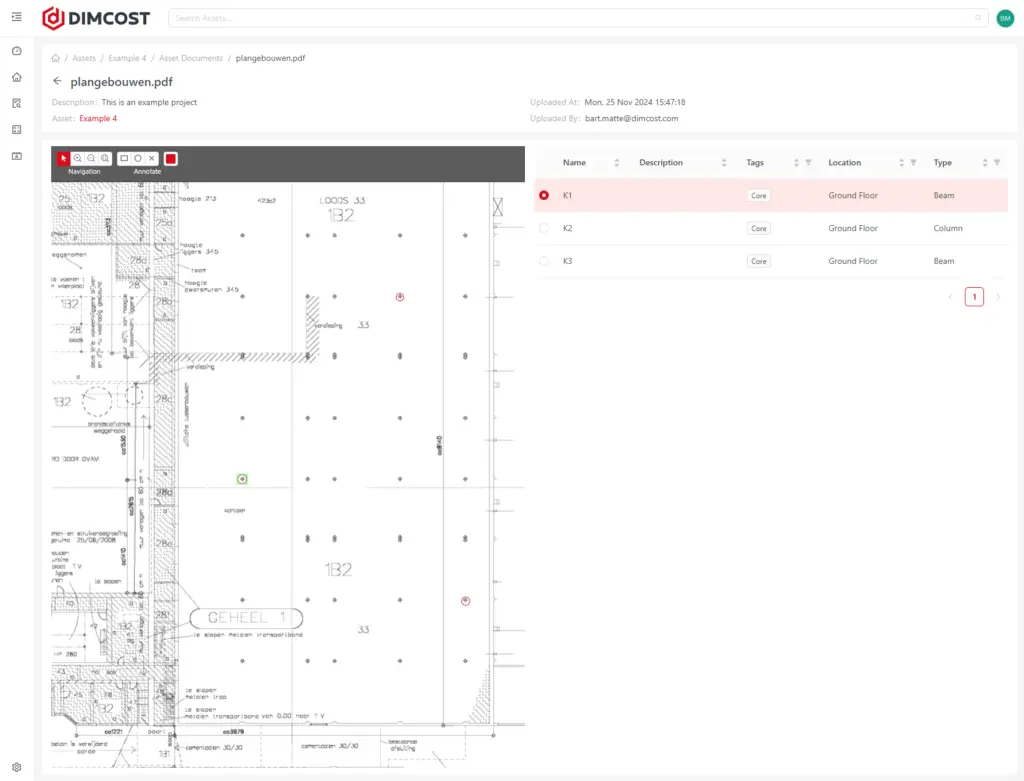
Points of interest marked on a plan - DIMCOST

Risk prioritization

Step 4 · Prioritize

Critical structural zones are highlighted automatically.

  • Focus on what matters: experts evaluate solutions instead of sorting thousands of photos.

  • Full engineering control: your engineers review the results before conclusions are drawn.

What you gain

  • Faster inspections

    Large photo sets processed in a fraction of the time.

  • Consistent results

    Objective, repeatable defect classification.

  • Up to 70% less reporting

    Standardized reports generated automatically.

  • Experts on the right work

    More time for analysis and decisions.

Who is it for?

  • Inspection and drone teams

    That want to process large photo sets quickly.

  • Engineering and consultancy firms

    That want consistent, well-documented damage assessments.

  • Asset owners and managers

    Who want faster, comparable insight into the condition of their structures.

Use cases

Used on complex concrete structures

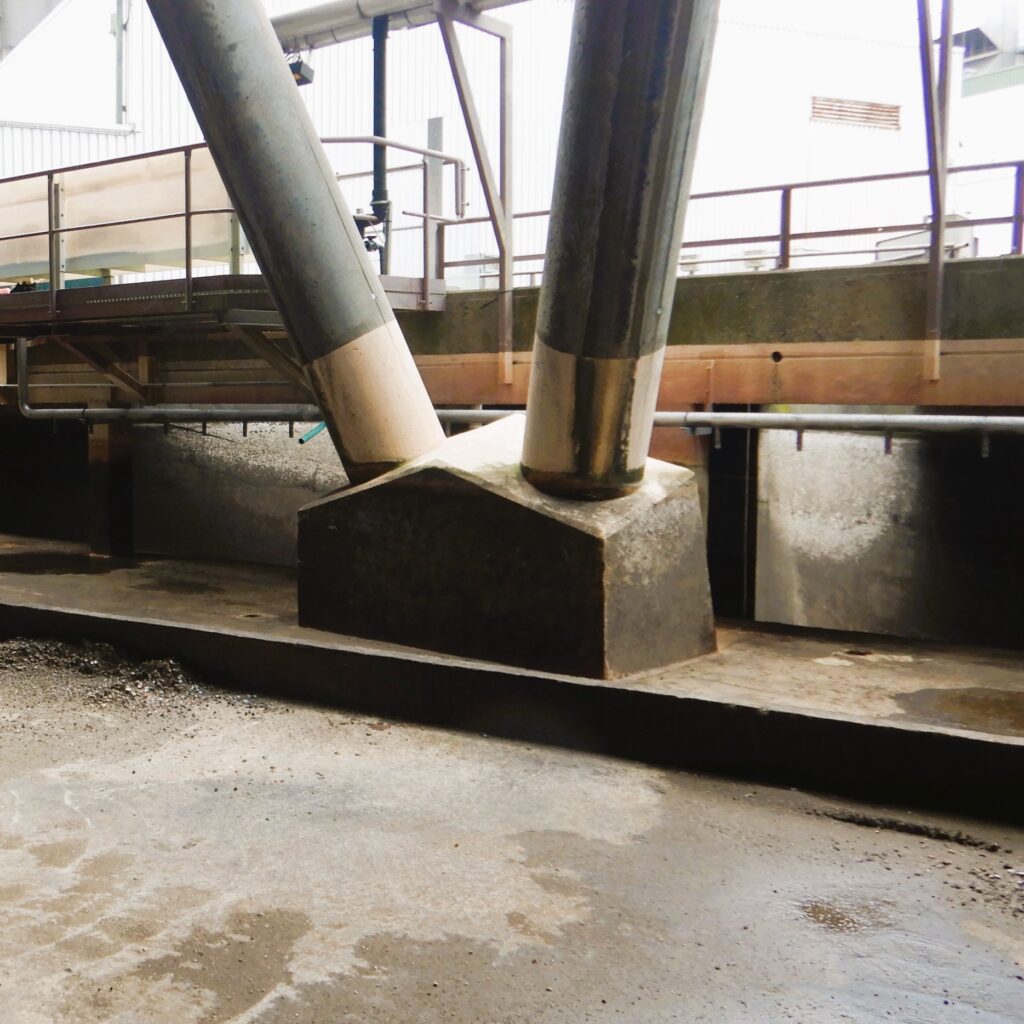
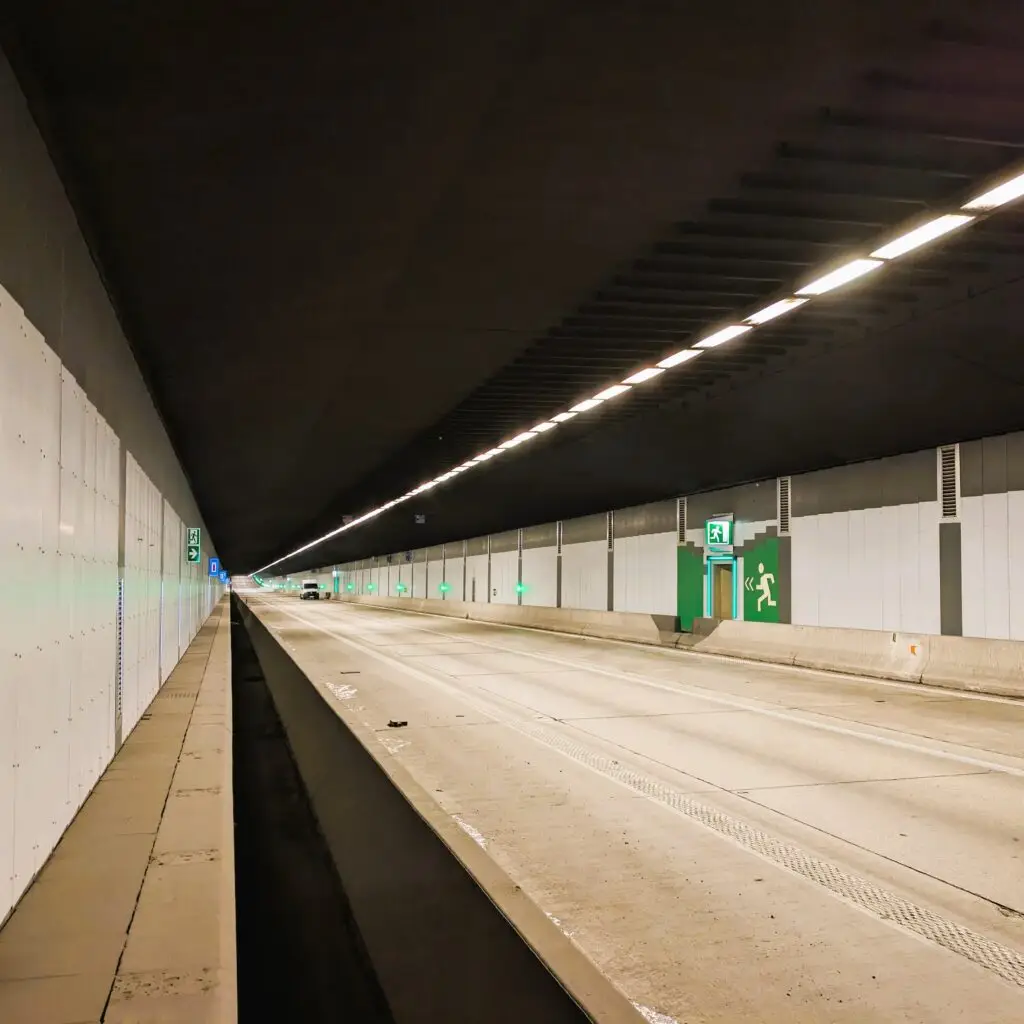
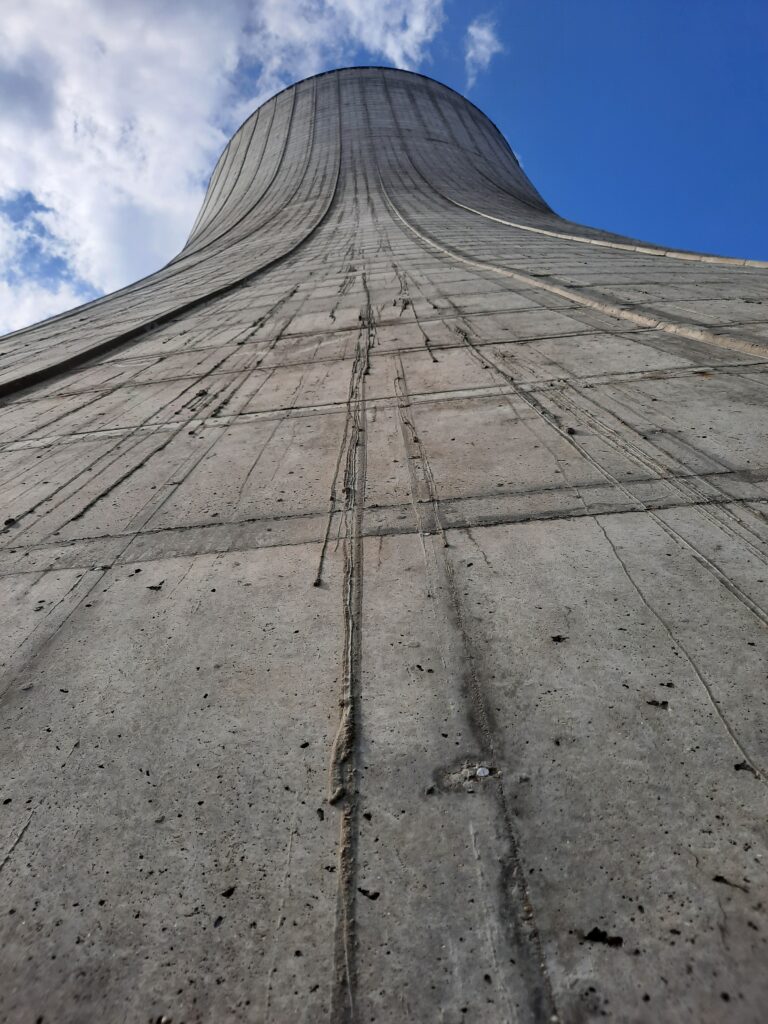
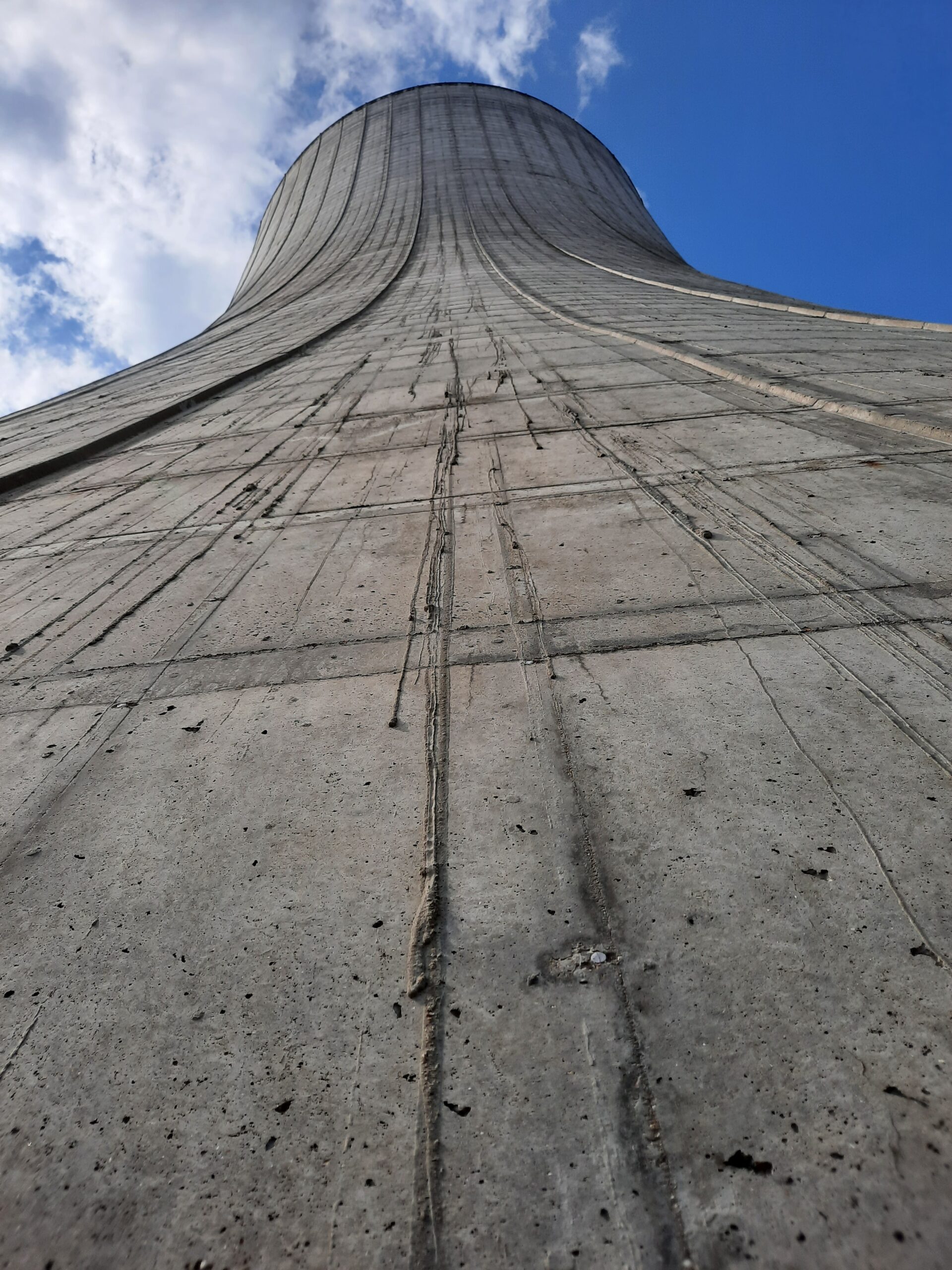
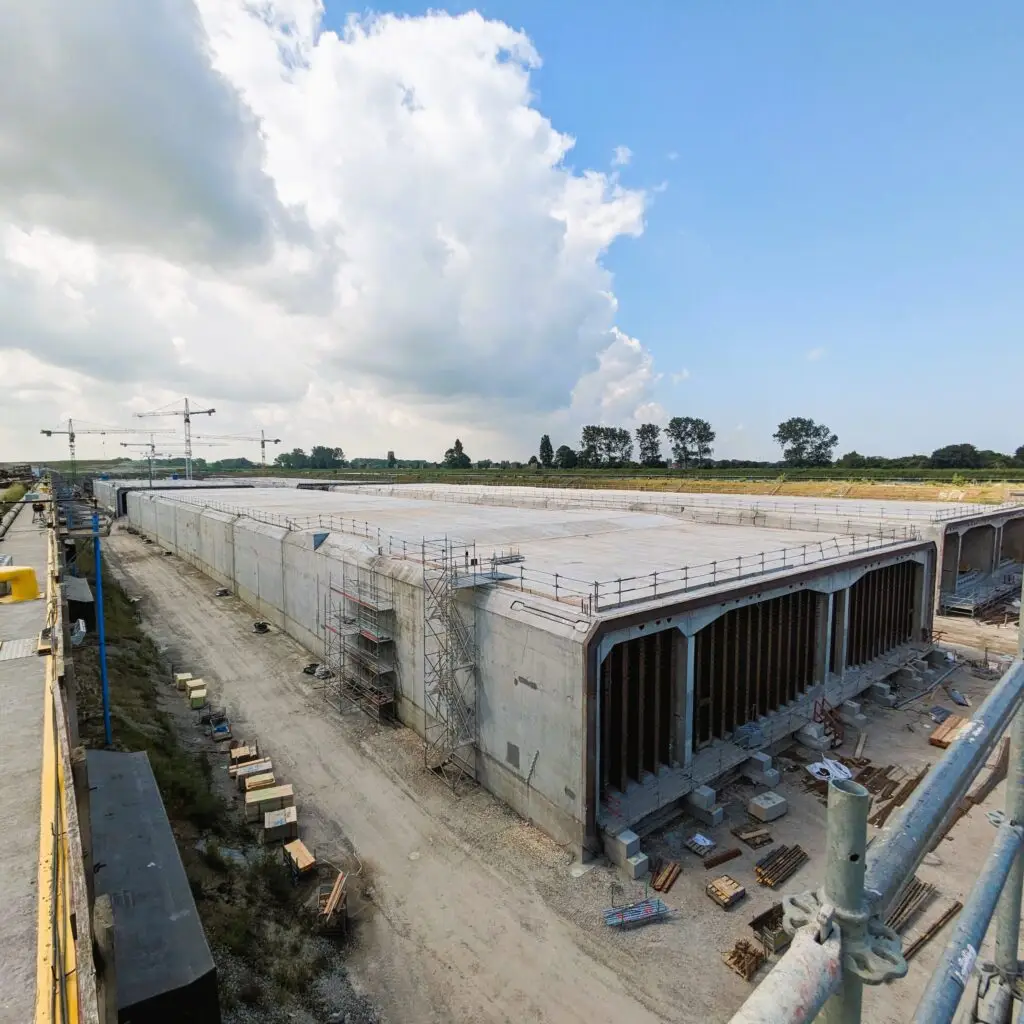
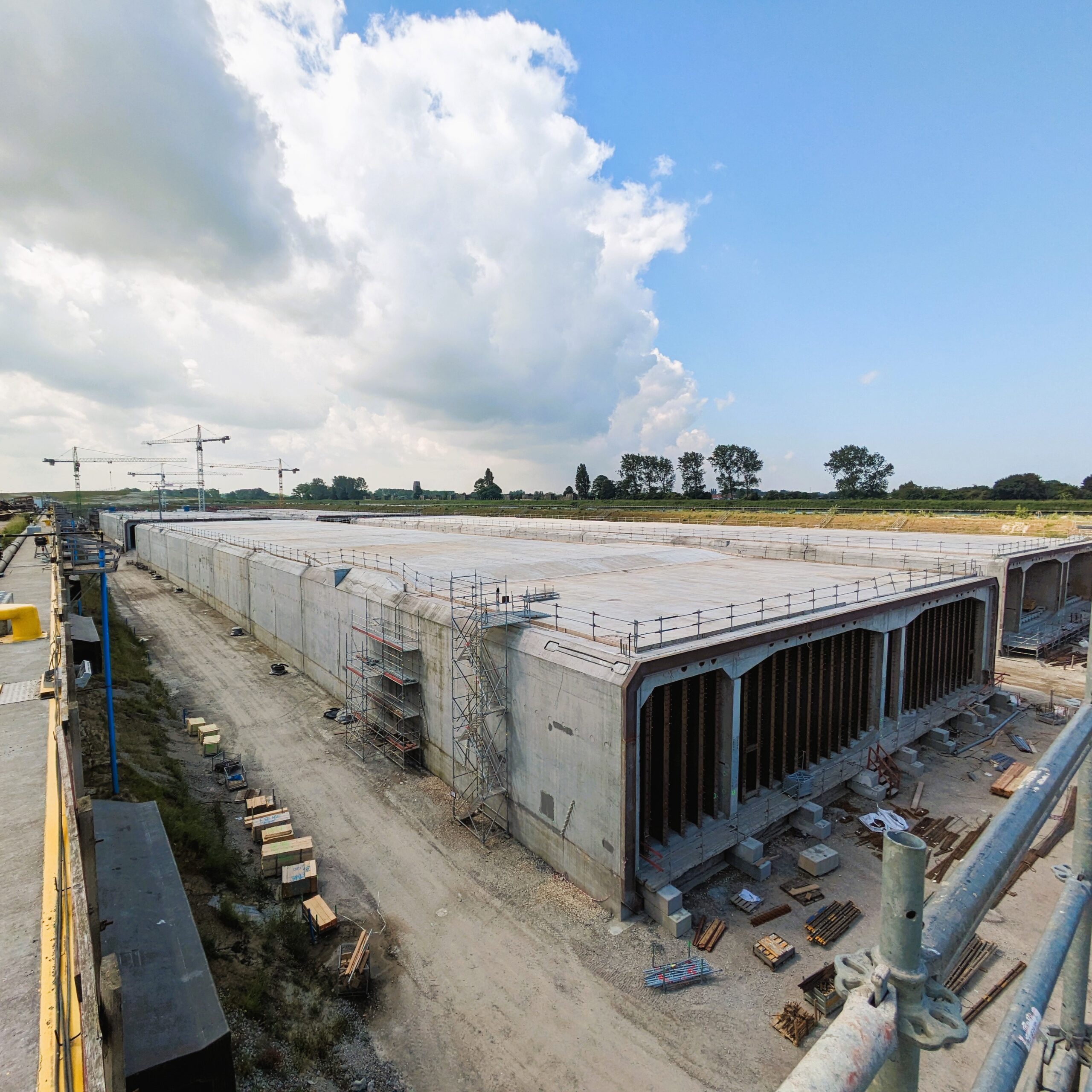
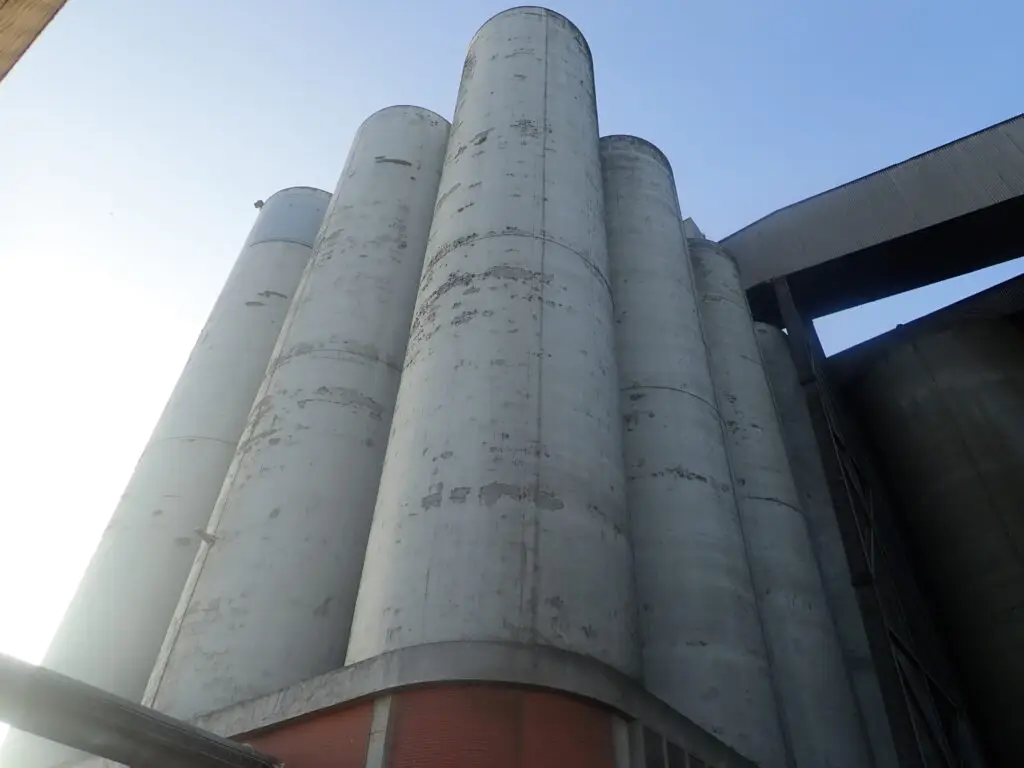
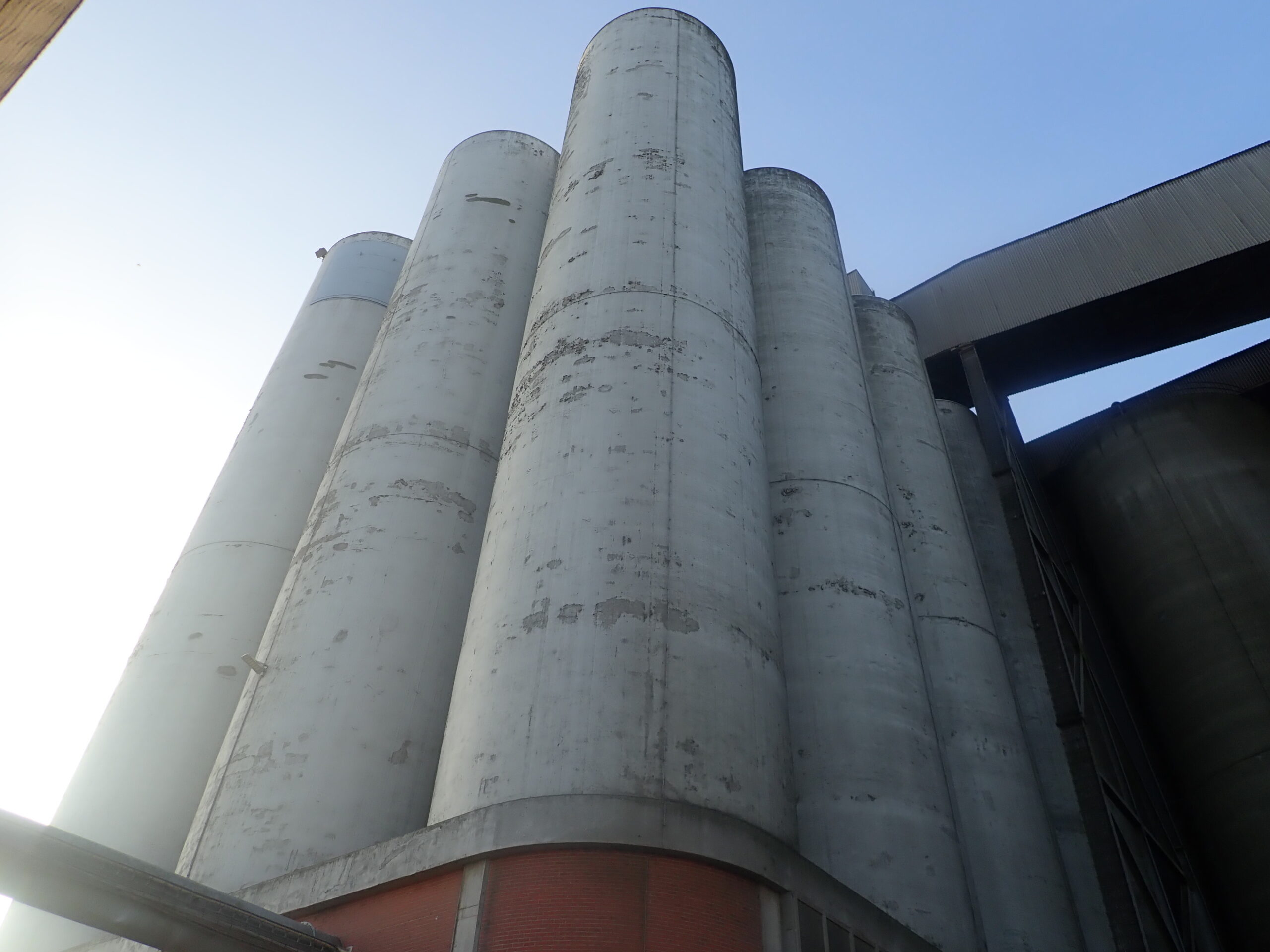
See how DIMCOST uses AI damage detection on cooling towers, tunnels and silos.

View all use cases →
FAQ

Frequently asked questions

Which types of damage does AI concrete damage detection find?

Surface cracks, spalling and efflorescence in high-resolution photo sets.

Does AI replace the engineer?

No. AI does the repetitive work of sorting and measuring. Engineers keep full control and review the results before conclusions are drawn.

How much time does it save?

Automated report generation cuts administrative reporting time by up to 70%.

Can AI results be linked to lab data?

Yes. Surface damage detected by AI is correlated with material test results such as chloride concentrations.

Book a demo

See AI damage detection on your own photos, in just 30 minutes

Tell us what type of structure it is and which photos or inspection data you already have. We’ll show you what concrete damage detection finds in them.